

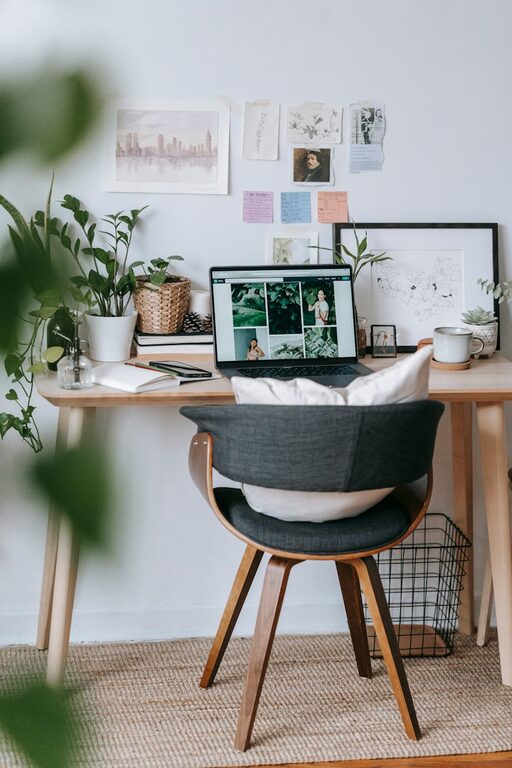
Creating a cozy and productive home office space can significantly enhance your work-from-home experience. Whether you work full-time remotely or need a dedicated area for occasional tasks, designing a space that combines comfort and efficiency is key to maintaining focus and motivation. Here are some practical tips to help you set up a home office that feels inviting and supports your daily workflow.
Choose the Right Location
The first step in creating your ideal home office is selecting the best spot. Aim for a quiet area away from high-traffic zones of your house to minimize distractions. Natural light is a great bonus, so consider a room or corner with windows that offer plenty of daylight. If natural light isn’t an option, invest in quality artificial lighting that mimics daylight to reduce eye strain and keep you alert.
Invest in Comfortable, Functional Furniture
Comfort is essential for prolonged periods of sitting and working. A supportive office chair with adjustable height and good lumbar support can prevent back pain and fatigue. Pair your chair with a desk at the right height—a surface that allows your elbows to rest comfortably while typing is ideal.
If space allows, incorporate additional furniture like bookshelves or file cabinets to keep your workspace organized and clutter-free. A small side table or a drawer unit can provide extra storage for office supplies without crowding your desk.
Optimize Your Layout for Productivity
Arrange your furniture to promote efficient work habits. Position your desk so you face away from distractions like the TV or household activity. Facing a window or blank wall can help you stay focused. Keep frequently used items within arm’s reach to avoid unnecessary movement and interruptions.
Consider cable management solutions such as clips or boxes to keep cords tidy and prevent tangles, which can make your area look messy. A clean, organized space encourages a clear mindset.
Personalize without Overcrowding
Decorate your office with items that inspire and calm you without creating clutter. Plants can improve air quality and add a touch of nature, which many find soothing. Choose low-maintenance plants like succulents or snake plants if you’re new to plant care.
Add personal artwork, photos, or motivational quotes that uplift your mood. Keep decor minimal to maintain a tidy environment that helps you concentrate.
Incorporate Smart Lighting
Good lighting is crucial for productivity and comfort. If you have limited natural light, use a combination of overhead lights, desk lamps, and floor lamps to brighten the space evenly.
Opt for adjustable lights so you can modify brightness depending on the time of day or the task at hand. Warmer light tones can create a cozy atmosphere during early mornings or late evenings, while cooler, daylight-like tones are better for tasks requiring sharp focus.
Control Noise and Distractions
If external noise is an issue, try soundproofing options such as rugs, curtains, or acoustic panels that absorb sound. Noise-canceling headphones can be a helpful tool if you need to block out background noise while concentrating on work.
Establish boundaries with family or roommates to minimize interruptions during work hours. Clear communication about your schedule helps others understand when you need quiet time.
Maintain a Consistent Routine and Workspace
Treat your home office like a professional space by setting regular work hours and sticking to them. Keeping your workspace dedicated to work helps your brain associate that area with productivity, fostering better focus.
At the end of the day, spend a few minutes tidying your desk and organizing materials so you can start fresh the next morning. This simple habit reduces stress and keeps your office inviting.
Add Comfort and Wellness Elements
Consider ergonomics and wellness by including accessories like a footrest, wrist supports, or a standing desk converter if you prefer to alternate between sitting and standing. A small space heater or fan can regulate the temperature to your liking.
Hydration and movement are also important. Keep a water bottle nearby and schedule short breaks to stretch or walk around, which boosts energy and reduces fatigue.
Use Technology Wisely
Make sure your technology setup meets your needs. A reliable internet connection, quality monitor, keyboard, and mouse can improve efficiency. Organize digital files and use productivity tools or apps to manage your tasks effectively.
Regularly update your software to ensure smooth operation and security. Avoid having unrelated tabs or apps open during work to minimize distractions.
—
Creating a cozy and productive home office doesn’t require a lot of space or an expensive makeover. Thoughtfully choosing your location, furniture, lighting, decor, and technology can transform any corner of your home into an inspiring and efficient workspace. With a little planning and regular upkeep, your home office can become a place where you enjoy working every day.