

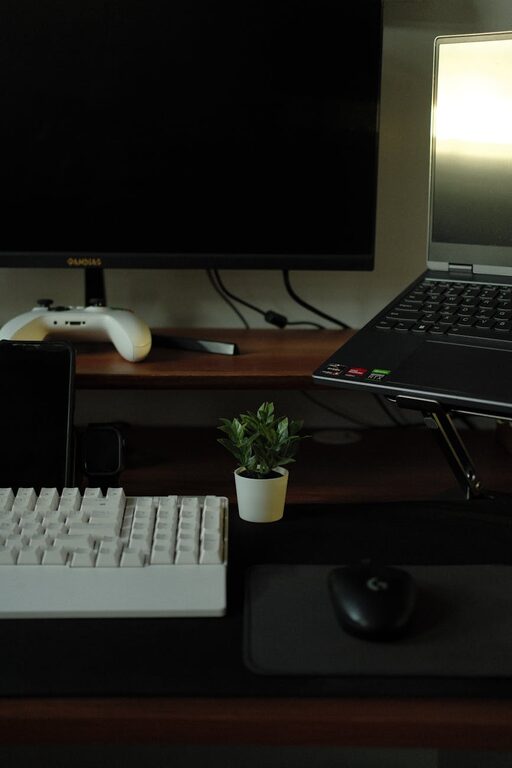
Working from home has become a common experience for many, but creating a workspace that fosters both calm and productivity can be challenging. A well-designed home office helps you stay focused, reduces stress, and separates work time from personal time. Here are practical tips to help you create a calm and productive home workspace.
Choose the Right Location
The first step in setting up your workspace is selecting the right spot in your home.
– Quiet Area: Pick a space away from noisy household activities. If possible, choose a room with a door you can close to minimize distractions.
– Natural Light: Position your desk near a window to benefit from natural daylight, which can improve mood and energy.
– Comfortable Temperature: Make sure the area is well-ventilated and comfortable to avoid any physical distractions.
Invest in Ergonomic Furniture
Comfort plays a crucial role in maintaining focus throughout your workday.
– Ergonomic Chair: Choose a chair that supports your lower back and encourages good posture.
– Desk Height: Your desk should allow your arms to rest comfortably at a 90-degree angle while typing.
– Monitor Position: Place your computer screen at eye level to reduce neck strain.
Declutter and Organize
A cluttered workspace can lead to a cluttered mind. Keeping your space tidy helps create a peaceful environment.
– Minimalist Approach: Keep only essential items on your desk to avoid distractions.
– Storage Solutions: Use drawers, shelves, or organizers to store paperwork, supplies, and personal items.
– Daily Cleanup: Spend a few minutes at the end of each day to tidy your workspace.
Use Calming Colors and Decoration
Your environment affects your mood and concentration.
– Color Choice: Soft neutral tones like beige, light gray, or pastel shades promote calmness.
– Plants: Adding greenery can improve air quality and boost your mood.
– Personal Touches: Incorporate a few meaningful items such as photos or artwork, but avoid overcrowding.
Manage Noise Levels
Noise can disrupt concentration, so consider ways to control auditory distractions.
– Noise-Canceling Headphones: These are useful if you cannot control ambient noise.
– Background Sounds: Soft instrumental music or white noise can help maintain focus.
– Soundproofing: Adding rugs, curtains, or acoustic panels can absorb sound and reduce echo.
Establish Clear Boundaries
Separating work from personal life is essential for balance.
– Defined Workspace: Use a separate room or a specific area dedicated to work.
– Set Working Hours: Clearly define when your workday starts and ends to prevent burnout.
– Communicate: Let household members know your schedule and when you should not be disturbed.
Prioritize Good Lighting
Proper lighting reduces eye strain and improves alertness.
– Layered Lighting: Combine natural light with task lighting such as a desk lamp.
– Adjustable Lights: Use lamps with adjustable brightness to suit different times of day.
– Avoid Glare: Position screens and lights to minimize reflection and glare.
Incorporate Movement and Breaks
Staying in one position for long periods can reduce productivity.
– Regular Breaks: Follow techniques like the Pomodoro method to take short breaks every 25–30 minutes.
– Stretching: Use break times to stretch or walk around to improve circulation.
– Standing Desk: Consider a standing desk or adjustable work surface to alternate between sitting and standing.
Use Technology Wisely
Technology is an essential part of a home workspace but can also cause distractions.
– Notifications: Turn off non-essential notifications during work hours.
– Organize Digital Workspace: Keep your files and desktop organized to reduce frustration.
– Reliable Equipment: Invest in dependable hardware and a good internet connection to avoid technical interruptions.
Practice Mindfulness and Relaxation
Incorporating mindfulness techniques can help maintain calm throughout the workday.
– Breathing Exercises: Pause for deep breaths when feeling overwhelmed.
– Short Meditation: Use apps or guided sessions to reset focus during breaks.
– Gratitude Practice: Start your day by listing things you appreciate to foster a positive mindset.
Final Thoughts
Creating a calm and productive home workspace is about balancing comfort, organization, and mental well-being. By choosing the right location, investing in ergonomic furniture, managing clutter and noise, and incorporating mindfulness, you set yourself up for success. Small changes can lead to big improvements in how you feel and perform during your work-from-home days.
Take the time to design a space that works for you and enjoy the benefits of a calm, focused, and productive work environment.